
Who Has the Upper Hand in Today’s Housing Market?

If you are thinking about buying or selling a home, one of the first questions you may have is: who has more negotiating power in today’s market?
The answer is not as simple as saying “buyers” or “sellers.”
Market conditions can vary significantly from one area to another, and even between different price ranges and property types. That is why it is important to look at current information for the area where you plan to buy or sell instead of relying only on national headlines.
One of the most useful indicators for doing that is housing inventory, also known as months of supply.
One Number That Helps Measure Market Balance
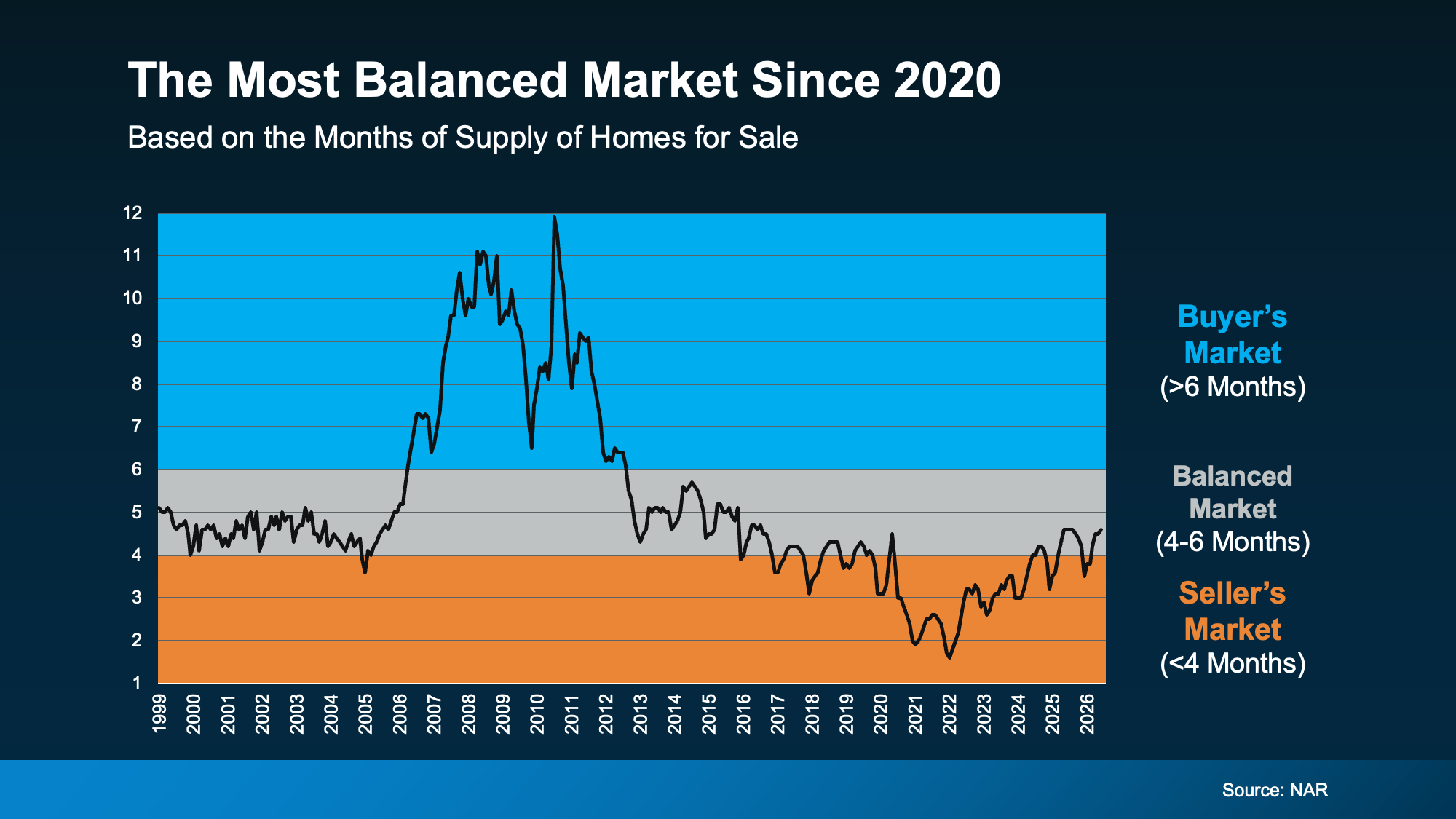
Months of supply estimates how long it would take to sell the homes currently available if no new properties came onto the market and the current pace of sales remained the same.
Generally speaking:
Less than 4 months of supply often indicates conditions that are more favorable for sellers.
Between 4 and 6 months of supply generally indicates a more balanced market.
More than 6 months of supply often gives buyers more choices and more room to negotiate.
According to the most recent national data from the National Association of REALTORS®, inventory is around 4.6 months of supply. That places the national market in a relatively balanced range, although conditions can vary significantly based on location, price range, and property type.
But there is something important to remember:
National averages do not determine what is happening in Southeast Georgia.
Real Estate Is Local
Conditions can change based on factors such as:
The number of homes available.
The number of new properties coming onto the market.
The pace of sales.
Home prices.
Average days on market.
The percentage of homes receiving price reductions.
Seller concessions that are requested or accepted.
The difference between list price and final sale price.
That is why two communities in the same region can have different market conditions at the same time.
In Southeast Georgia, including Hinesville, Fort Stewart, Richmond Hill, Midway, Ludowici, Jesup, Savannah, and surrounding communities, reviewing these indicators can provide a much more useful picture than simply asking whether it is a buyer’s market or a seller’s market.
What This Means for Buyers
A more balanced market can give buyers something that is not always available in extremely competitive markets: more opportunity to evaluate a property before making a decision.
Depending on the property and the specific terms of the transaction, there may be opportunities to negotiate items such as:
Purchase price.
Repairs.
Seller concessions.
Closing dates.
Other terms included in the offer.
But that does not mean every property will be negotiated the same way.
A home with strong demand can still receive multiple offers, even in a more balanced overall market. That is why the data for a specific property matters just as much as the broader market data.
What This Means for Sellers
A balanced market does not mean sellers have to accept less than their home is worth.
It means pricing, preparation, and marketing strategy matter more.
Buyers have more opportunities to compare homes, so factors such as price, property condition, presentation, and negotiation strategy can have a meaningful impact on the outcome.
A properly positioned property can still stand out, even when more inventory is available.
That is why it is important to review recent comparable sales, current competing properties, and local supply and demand conditions before deciding on a list price.
The Biggest Mistake
Perhaps the most important takeaway is this:
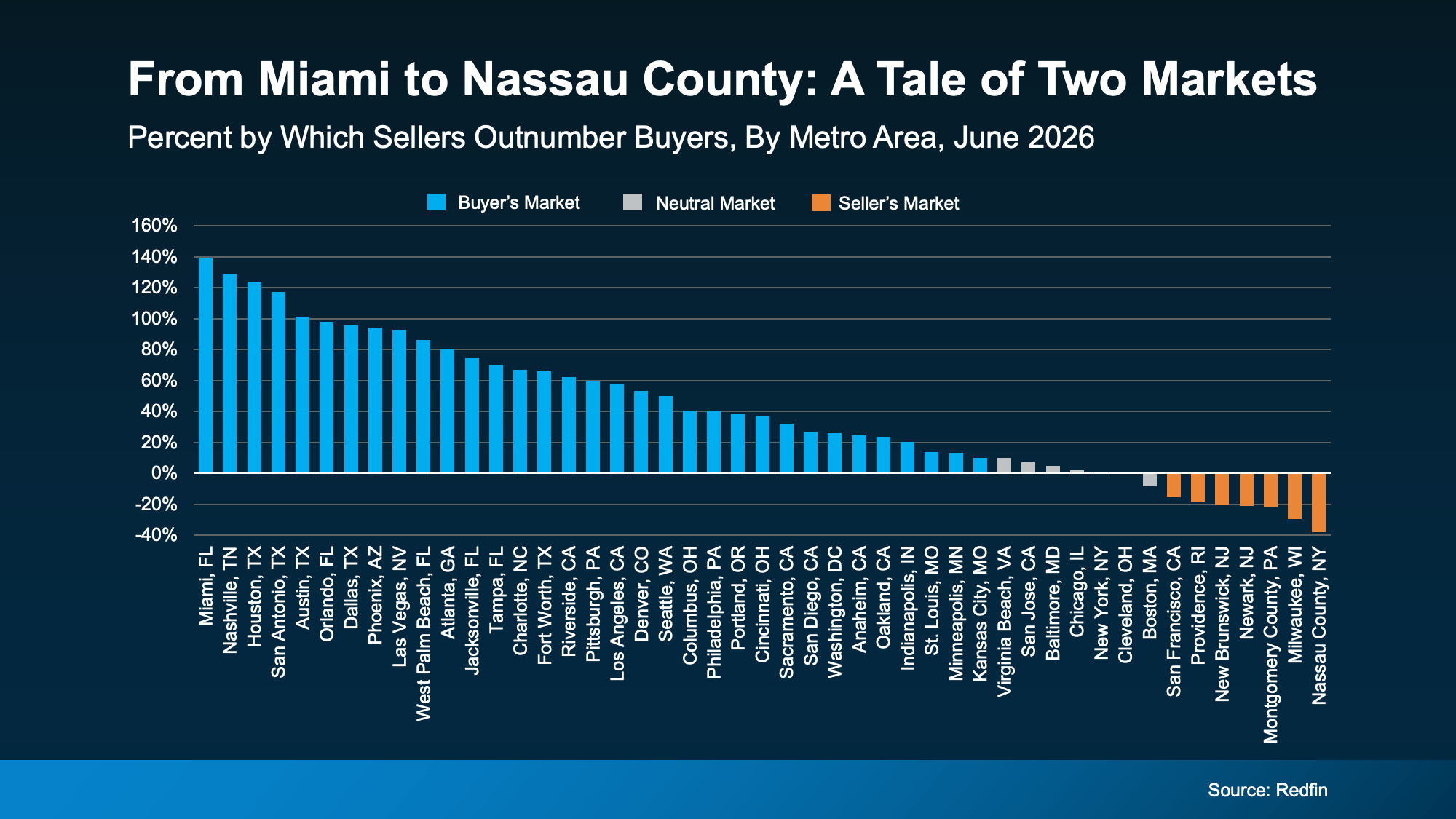
There is no single housing market.
National headlines may describe a balanced market, while data in Hinesville, Fort Stewart, or another Southeast Georgia community may tell a different story.
Even within the same community, results can vary based on price range, property type, and the specific conditions of each transaction.
So, instead of asking:
“Is it a buyer’s market or a seller’s market?”
A more useful question is:
“What are the numbers actually doing in the market where I want to buy or sell?”
Bottom Line
Today’s market offers opportunities for both buyers and sellers, but the right strategy depends on the data.
If you are considering buying or selling in Southeast Georgia, reviewing inventory, recent prices, days on market, and negotiation trends can help you make a decision based on current information instead of relying only on national headlines.
The market is not the same everywhere. Local data can help you understand what is happening and what factors you should consider before taking your next step.
The Shanken Team is committed to Equal Housing Opportunity and provides professional real estate services in accordance with federal, state, and local fair housing laws.
Sources
National Association of REALTORS®, July 2026 Existing-Home Sales Report: national inventory of 4.6 months of supply.
https://www.nar.realtor/research-and-statistics/housing-statistics/existing-home-sales
https://www.nar.realtor/infographics/existing-home-sales-housing-snapshotGeorgia Commission on Equal Opportunity and Georgia fair housing advertising guidance. https://www.law.cornell.edu/regulations/georgia/Ga-Comp-R-Regs-R-186-2-.06