What To Expect from the Housing Market in the Second Half of 2026

If the first half of 2026 has left you feeling like you have been waiting on the sidelines, you are certainly not alone. Mortgage rates have remained higher than many buyers and sellers hoped, affordability continues to be a challenge in many markets, and ongoing economic uncertainty has made some people hesitant to make a move.
So it is no surprise that many are asking: what could the second half of the year look like for the housing market?
While no one can predict the future with certainty, several economic indicators suggest conditions may continue moving toward a more balanced market. Here is what experts are watching.
Mortgage Rates May Continue To Improve
One of the biggest factors influencing mortgage rates has been inflation. Economic conditions, including energy prices and global events, continue to play a role in how inflation and ultimately mortgage rates behave.
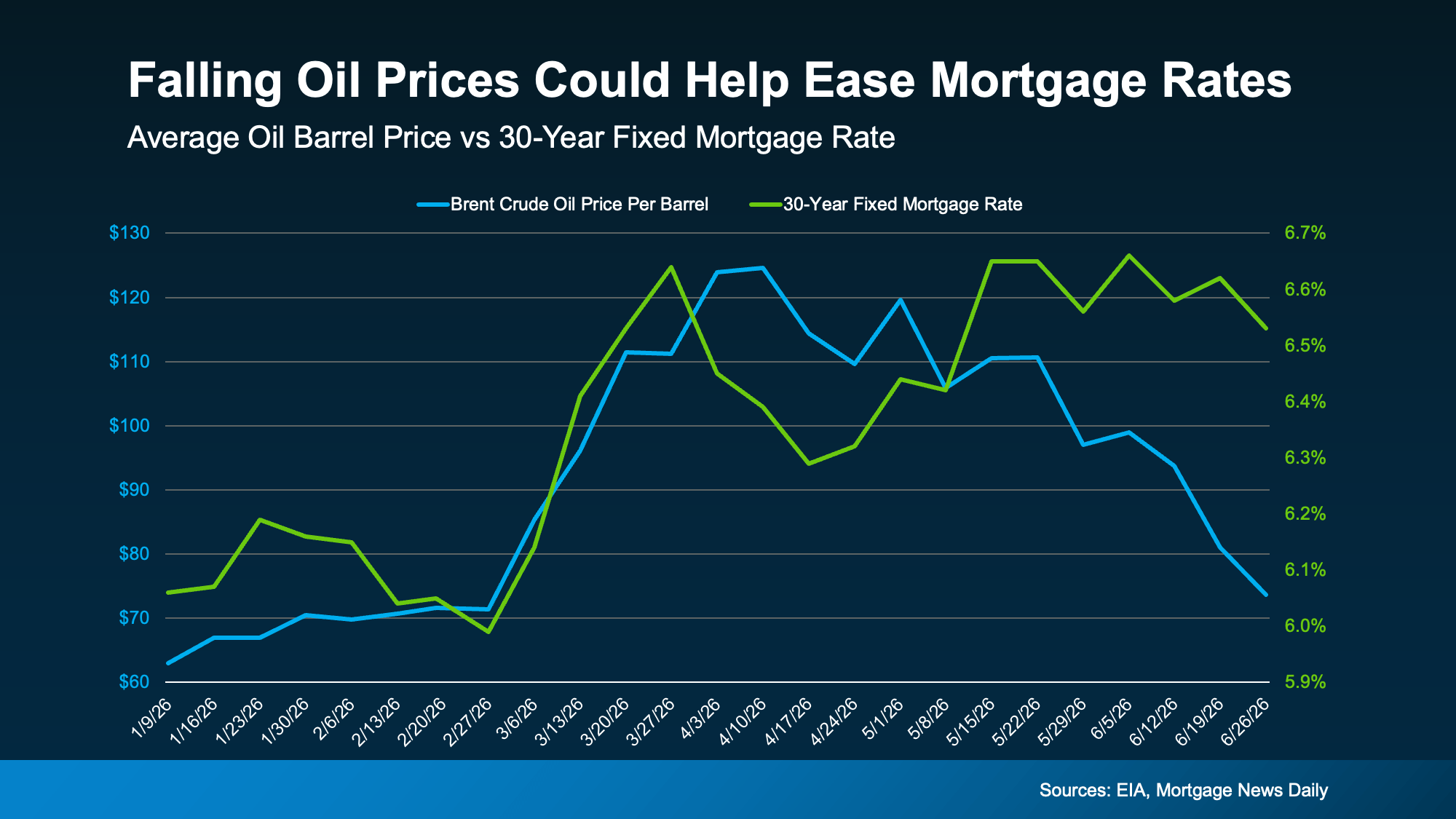
Recently, oil prices have begun trending downward.
Although oil prices and real estate may seem unrelated, they have historically moved in similar directions. Lower energy costs can help ease inflationary pressure, which may create conditions that support lower mortgage rates over time.
While no one knows exactly when rates may change or by how much, many economists believe that if inflation continues to moderate and economic conditions stabilize, mortgage rates could gradually improve during the second half of the year.
For buyers and sellers alike, even modest improvements in financing conditions could help create more opportunities.
Home Prices Should Stay Steady
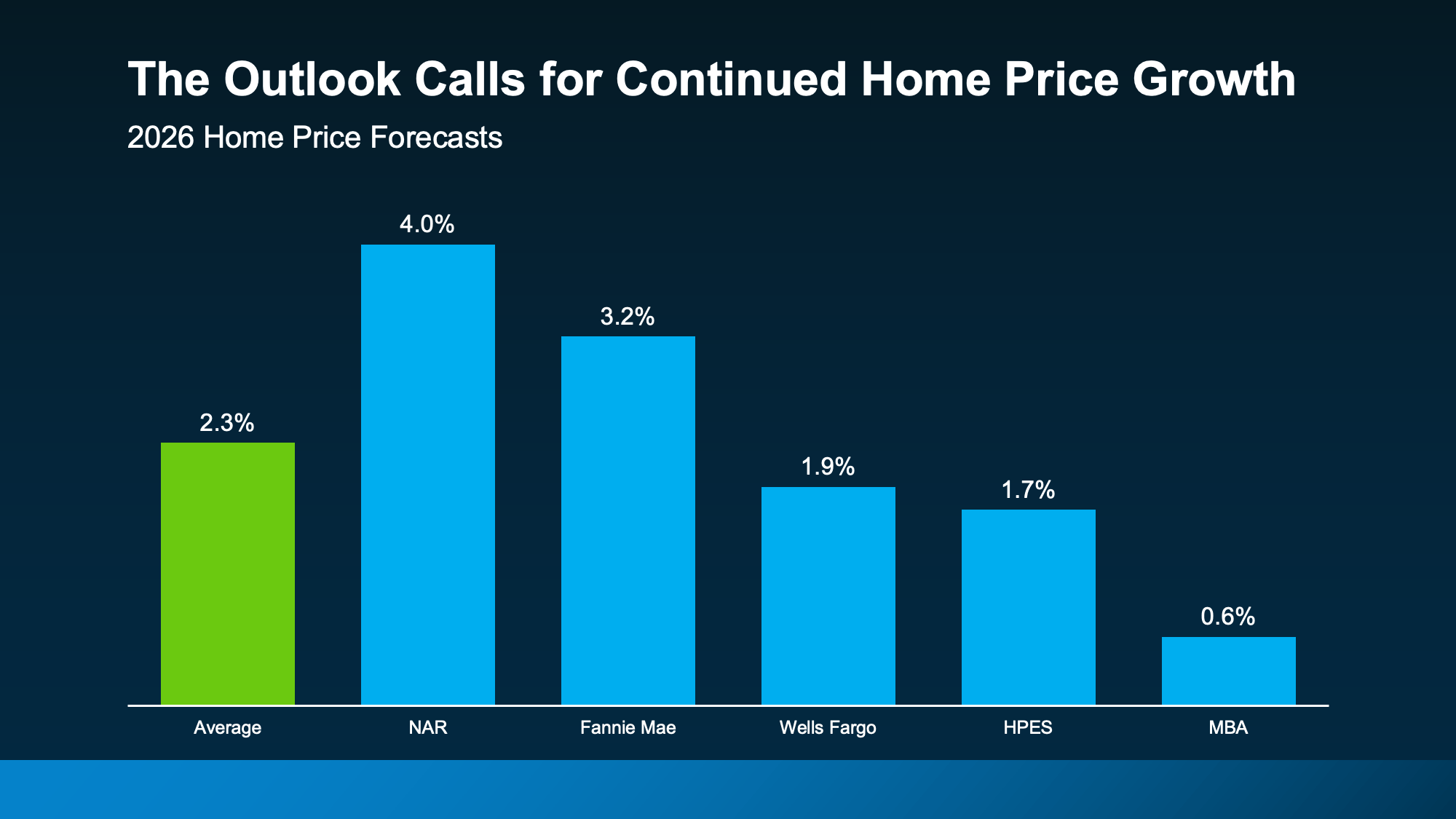
Some people continue to hope home prices will decline significantly. However, most national housing forecasts do not currently project widespread price decreases.
While every local market is different, and some communities are experiencing slight price adjustments, many housing experts expect national home prices to finish 2026 with modest overall appreciation.
Current data shows home price growth has already slowed compared with recent years, which means prices may continue increasing at a more gradual pace through the remainder of the year.
One reason is that while housing inventory has increased compared with recent years, that growth appears to be slowing in many markets. If mortgage rates improve and more buyers return, increased demand could place modest upward pressure on prices where inventory remains limited.
For buyers, this is a reminder that waiting does not necessarily guarantee lower home prices later.
For sellers, it suggests that home values continue to show resilience in many areas.
Housing Activity Could Increase
If the housing market has felt quieter lately, you are not imagining it.
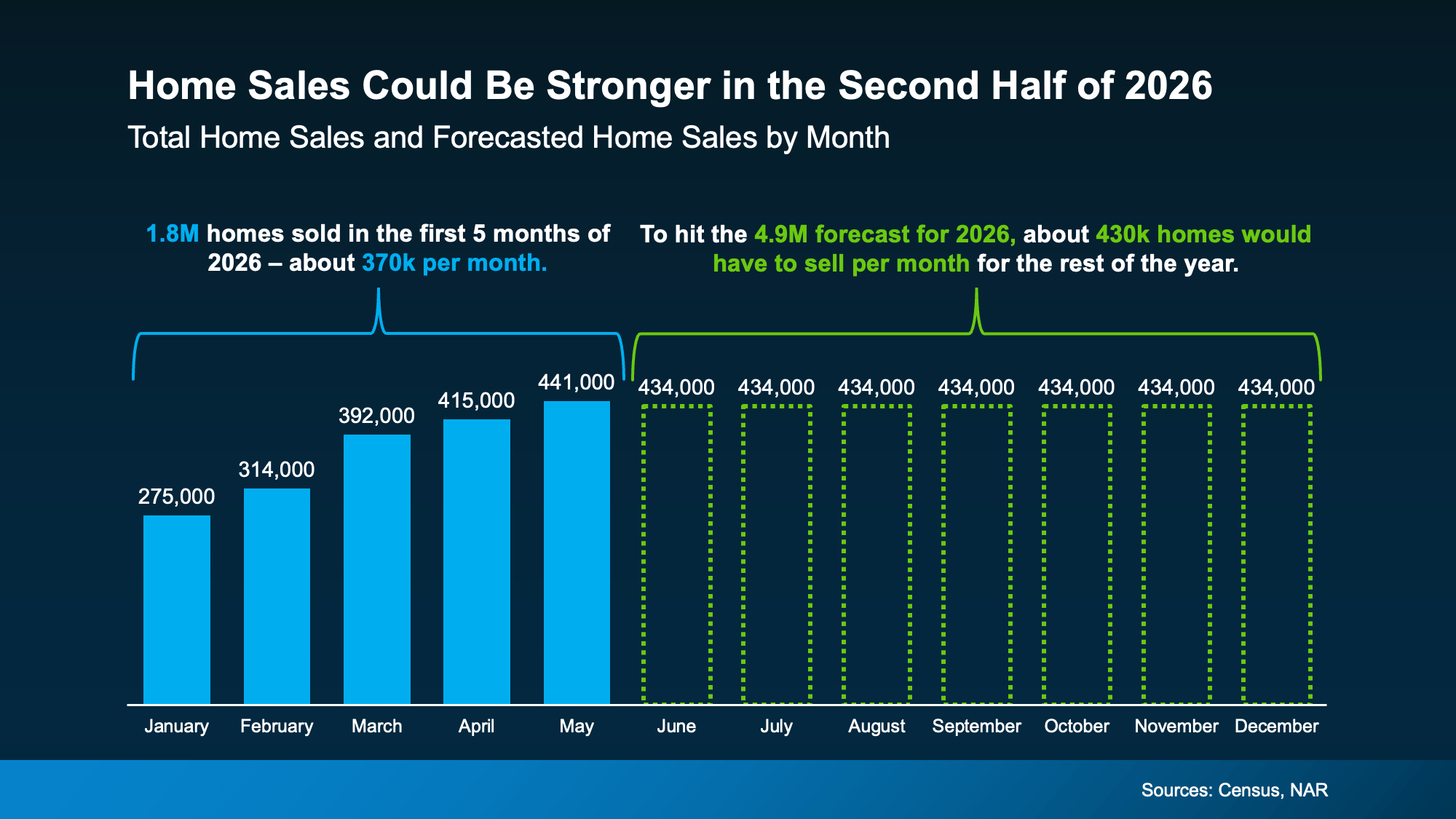
Home sales during the first half of 2026 have been slower than many analysts anticipated. That does not necessarily mean people have stopped wanting to move.
Many buyers and sellers are simply waiting for greater financial certainty, improved affordability, or clearer market conditions before making a decision.
Housing economists believe that as financing conditions improve and consumer confidence strengthens, more people may decide it is the right time to move.
While the pace of recovery will likely vary from one market to another, many forecasts anticipate stronger housing activity during the second half of the year compared with the first.
What This Means for Buyers and Sellers
Whether you are planning to buy or sell, today’s market continues to reward preparation and local expertise.
If you are buying:
Stay informed about mortgage options and financing programs.
Work with a trusted lender to understand your purchasing power.
Be ready to act when the right home becomes available.
If you are selling:
Price your home based on current local market conditions.
Present your home in its best possible condition.
Work with an experienced local agent who understands your market and can develop a marketing strategy that helps your home stand out.
Because every market is different, local trends often matter more than national headlines.
Bottom Line
The second half of 2026 may not be perfect, but many housing experts expect conditions to continue moving toward a healthier and more balanced market.
Mortgage rates may gradually improve, housing activity could increase, and home prices are generally expected to continue appreciating at a more sustainable pace.
If you are wondering what these national trends mean for Hinesville, Fort Stewart, or the surrounding Coastal Georgia market, The Shanken Team is here to help you understand your local market and create a strategy that aligns with your real estate goals.