
The Case for Putting 20% Down on Your Next Home
You don’t need 20% down to buy your next home in Southeast Georgia, but if you’ve built up solid equity, putting 20% or more down can meaningfully change your monthly payment, total interest, and even whether you pay PMI.
Why repeat buyers often put more down
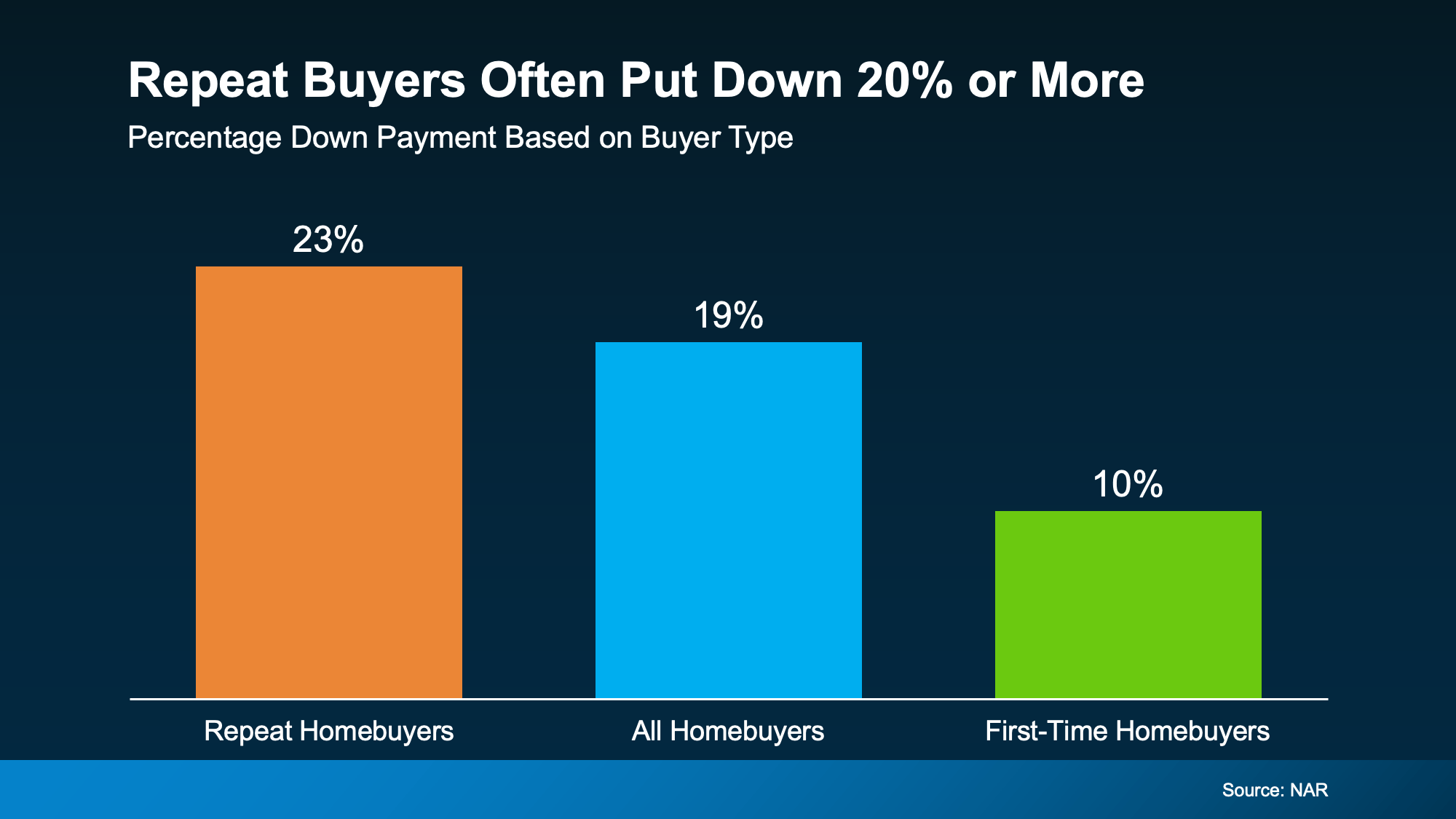
National data shows that repeat buyers are using their equity to make larger down payments:
In recent NAR research, the typical repeat buyer put down about 23% on their next home—the highest level since the early 2000s.
Two things usually happen when you’ve owned a home for several years:
You’ve paid down part of your mortgage balance.
Your home’s value may have increased.
The difference between what your home is worth and what you still owe is your equity. When you sell, that equity becomes potential cash you can use to:
Increase your down payment on the next home.
Cover closing costs.
Reduce the new loan amount.
Potentially widen your price range without stretching your budget.
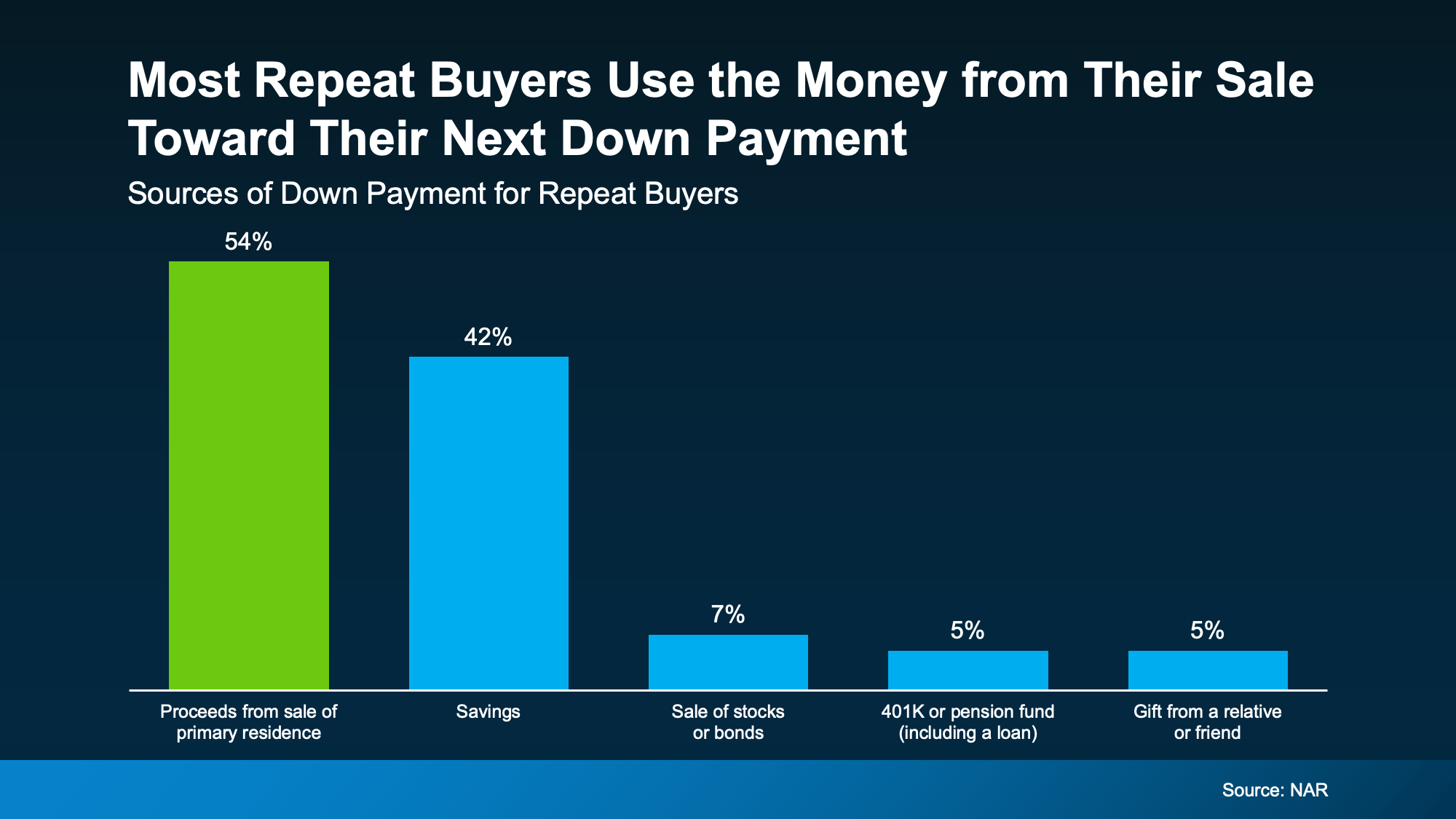
If you’ve owned your current home in Hinesville, Richmond Hill, Ludowici, Midway, Jesup, Savannah, or nearby communities for several years, your next down payment may come from a combination of savings and equity—not just your bank account.
Advantages of putting around 20% down
You are not required to hit 20%, but there are some benefits worth discussing with your lender.
1. Lower monthly payment
A larger down payment means a smaller loan. That typically reduces your principal and interest payment, which can make your overall housing budget more comfortable and give you more breathing room month to month.
2. Less interest over time
Financing 80% of the purchase price instead of 90–95% means you’re paying interest on fewer dollars for the life of the loan. Over 15–30 years, that difference can add up substantially. Your lender can model that for you so you can see the impact in actual numbers.
3. Possible PMI savings
With most conventional loans, putting less than 20% down means private mortgage insurance (PMI) is required; PMI typically costs about 0.46% to 1.5% of the loan amount per year.
Putting 20% down on a conventional loan often allows you to avoid PMI entirely, which is one more monthly cost you might be able to eliminate.
Important: Not every loan works the same way. Always confirm with your lender whether 20% down avoids PMI for your specific loan type rather than assuming it does.
4. Potentially stronger offers
A larger down payment doesn’t guarantee a seller will pick your offer, but it can signal stronger financing. In a competitive situation, that may give some sellers more confidence in your ability to close and could help your offer stand out when combined with good terms.
Why you shouldn’t drain your savings to hit 20%
The 20% figure is a guideline, not a requirement—and it’s not always the smartest move.
You still need money available for:
Closing costs
Moving expenses
Repairs or updates
Emergency savings
Other financial goals (retirement, education, etc.)
In some situations, 10–15% down—or even less—may be better if it means you can keep a healthy cash reserve and avoid being “house rich and cash poor.” The right number is the one that fits your whole financial picture, not just your mortgage.
Make your equity part of the plan
If you’re thinking about moving in Southeast Georgia, don’t just ask, “How much do I have saved?” Also ask, “How much equity do I have?”
Next steps that can clarify your options:
Talk with a real estate professional about what your current home could realistically sell for in today’s market.
Ask a lender to show you scenarios: 10%, 15%, and 20% down, with and without PMI, so you can see the payment and total cost differences.
Decide how much you want to keep in reserves after closing.
When you base your plan on your actual numbers—equity, savings, and goals—20% becomes a choice, not a rule.
Bottom line
You do not need 20% down to buy your next home in Southeast Georgia. But if you’ve built meaningful equity, using 20% or more could lower your payment, reduce interest, and help you skip PMI on many conventional loans.
If you’d like to see what your current home could be worth and how that equity could translate into different down payment options, The Shanken Team can walk you through the numbers so you can choose the strategy that truly fits your goals.