
Think Home Prices Will Crash? Here’s What Experts Are Actually Predicting

One reason some buyers are still waiting on the sidelines is the belief that home prices will eventually come down.
Some are hoping for a major market correction before they buy. Others worry about purchasing now only to see home values decline later.
Those concerns are understandable. No one wants to feel like they overpaid for a home.
But here is an important question:
What if the price crash you are waiting for never happens?
Based on current housing forecasts, that is exactly what many experts are saying.
Experts Are Not Predicting a Nationwide Crash
If you have been reading headlines or scrolling social media lately, you have probably seen predictions that home prices are about to fall sharply.
While some markets have seen modest price adjustments, that is very different from a nationwide housing crash.
Real estate is highly local, and market conditions can vary a lot from one area to another. That is why it is important to look beyond national headlines and focus on what is actually happening in your local market.
What Housing Experts Expect
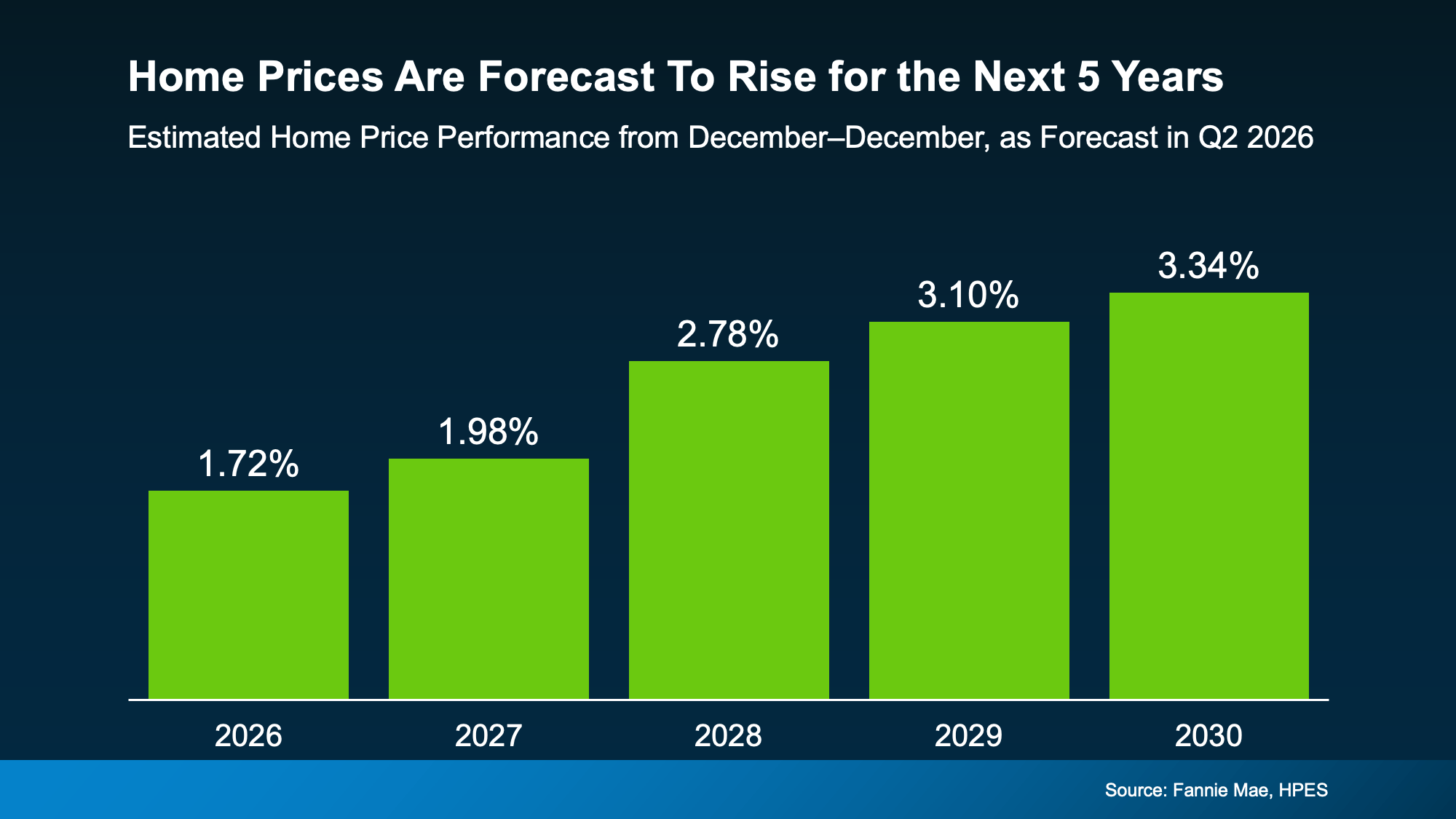
Each quarter, Fannie Mae’s Home Price Expectations Survey gathers forecasts from more than 100 economists, housing analysts, and real estate experts.
While opinions vary, there is one thing most agree on:
They are not forecasting a nationwide decline in home values.
Instead, the average forecast calls for home prices to continue growing over the next several years, but at a slower and more sustainable pace than during the pandemic housing boom.
The expectation is not rapid appreciation.
The expectation is steady, moderate growth.
Even the More Cautious Forecasts Point to Growth
One of the clearest takeaways from the survey is that even the more conservative experts are not predicting a housing crash.
Some analysts expect prices to rise faster.
Others expect slower growth.
But both groups generally still expect values to move upward over time.
So the debate is not really whether prices will collapse. It is how much they may rise.
That is a very different conversation from the one many buyers are hearing online.
What This Means for Buyers in Southeast Georgia
For buyers in Hinesville, Fort Stewart, Midway, Richmond Hill, Pooler, Savannah, and surrounding Coastal Georgia communities, local conditions matter just as much as national trends.
Our area continues to benefit from steady housing demand supported by:
Military relocations connected to Fort Stewart and Hunter Army Airfield.
Population growth across Coastal Georgia.
Ongoing job activity in surrounding communities.
Demand from both local buyers and relocating households.
At the same time, buyers today generally have more inventory and more negotiating opportunities than they did during the most competitive years of the market.
That creates a market where buyers may have more choices without necessarily seeing a major drop in home values.
Waiting May Not Deliver the Result You Expect
Many buyers are waiting because they believe prices will become significantly lower in the future.
While no one can predict the future with certainty, most major housing forecasts do not support the idea of a nationwide housing crash.
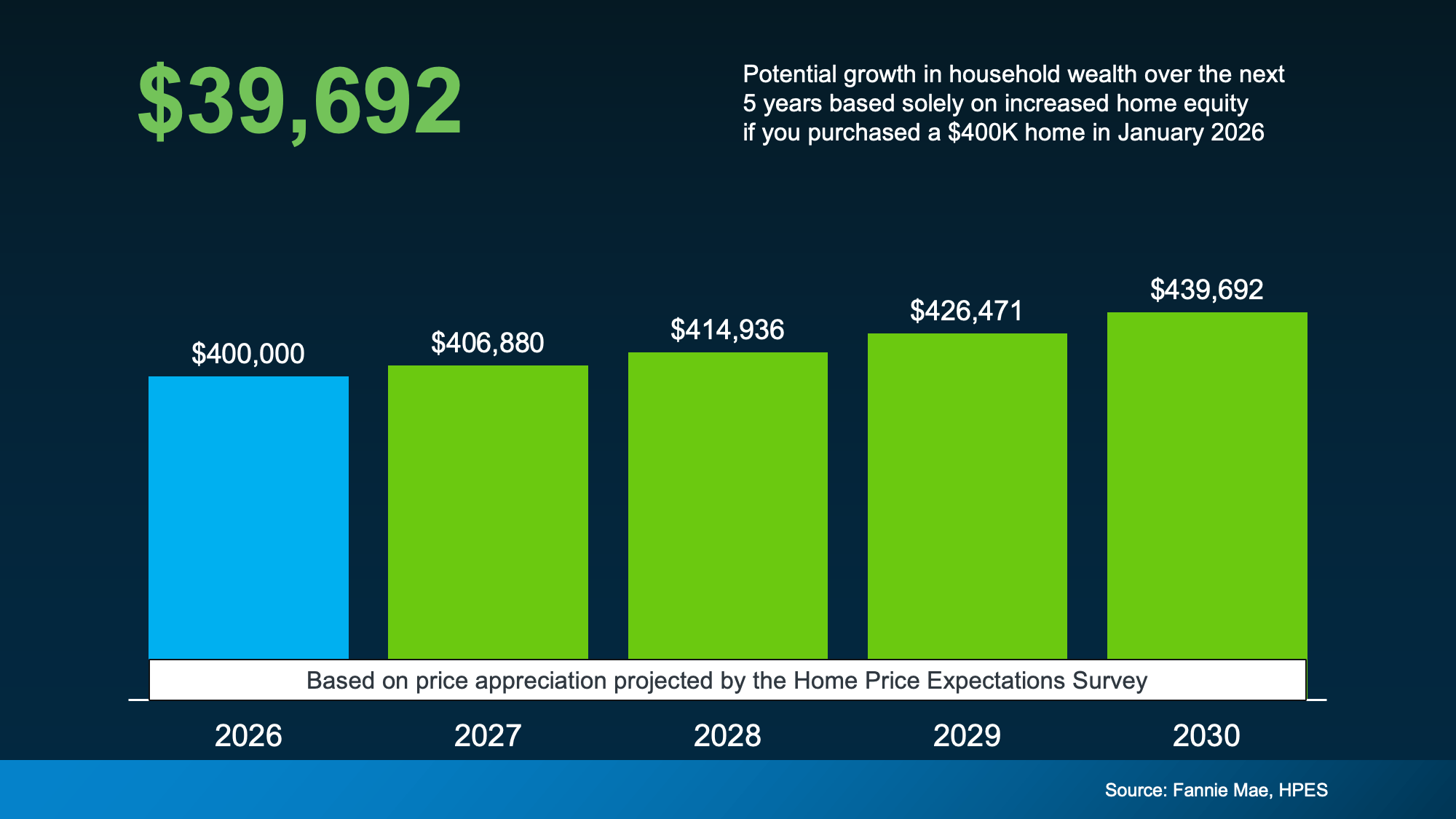
In fact, many economists continue to project modest home price growth over the next several years.
That means buyers who delay their plans solely in hopes of a steep price drop may find that the market never gives them the dramatic change they were expecting.
The better question may not be, “Will prices crash?”
It may be, “If the right home becomes available and it fits my budget today, does waiting still make sense?”
Bottom Line
National housing experts continue to forecast modest home price growth rather than a major nationwide decline.
While every local market is different, Southeast Georgia remains supported by steady housing demand, military relocations, and ongoing population growth.
If you are trying to decide whether now is the right time to buy or whether waiting makes sense, it helps to look at what is happening in your specific market and how that may affect your goals.