
Should You Pay a Buyer’s Closing Costs? What Southeast Georgia Sellers Need To Know

A few years ago, sellers could say “no” to just about everything.
No repairs.
No concessions.
No negotiation.
If buyers wanted the house, they often had to compete against multiple offers and accept the seller’s terms. Today’s market looks a little different.
While many homes across Southeast Georgia are still selling successfully, buyers generally have more options than they did a few years ago. As inventory has grown in many areas, negotiations have become a more normal part of the process.
That is why one of the most important things sellers need to understand right now is this:
The goal is not to win every negotiation. The goal is to reach your moving goals, protect your bottom line, and keep the transaction moving forward.
Sometimes that means considering a buyer’s request for closing cost assistance.
What Are Buyer’s Closing Costs?
Closing costs are expenses buyers pay in addition to their down payment when purchasing a home. According to Freddie Mac, these costs may include:
Loan origination fees.
Appraisal costs.
Home inspections.
Title fees.
Attorney fees.
Survey fees.
Recording fees.
Typically, buyer closing costs range from about 2% to 5% of the home’s purchase price.
On a $300,000 home, that could mean roughly $6,000 to $15,000 in additional expenses before the buyer even receives the keys.
For many first-time buyers, military families, and relocating households, those upfront costs can be one of the biggest hurdles to homeownership.
Why More Buyers Are Asking for Help
Mortgage rates remain higher than many buyers became used to during the pandemic years. Combined with home prices that have continued to rise over time, buyers are paying closer attention to how much cash they need at closing.
That means requests for seller-paid closing costs have become more common in many markets.
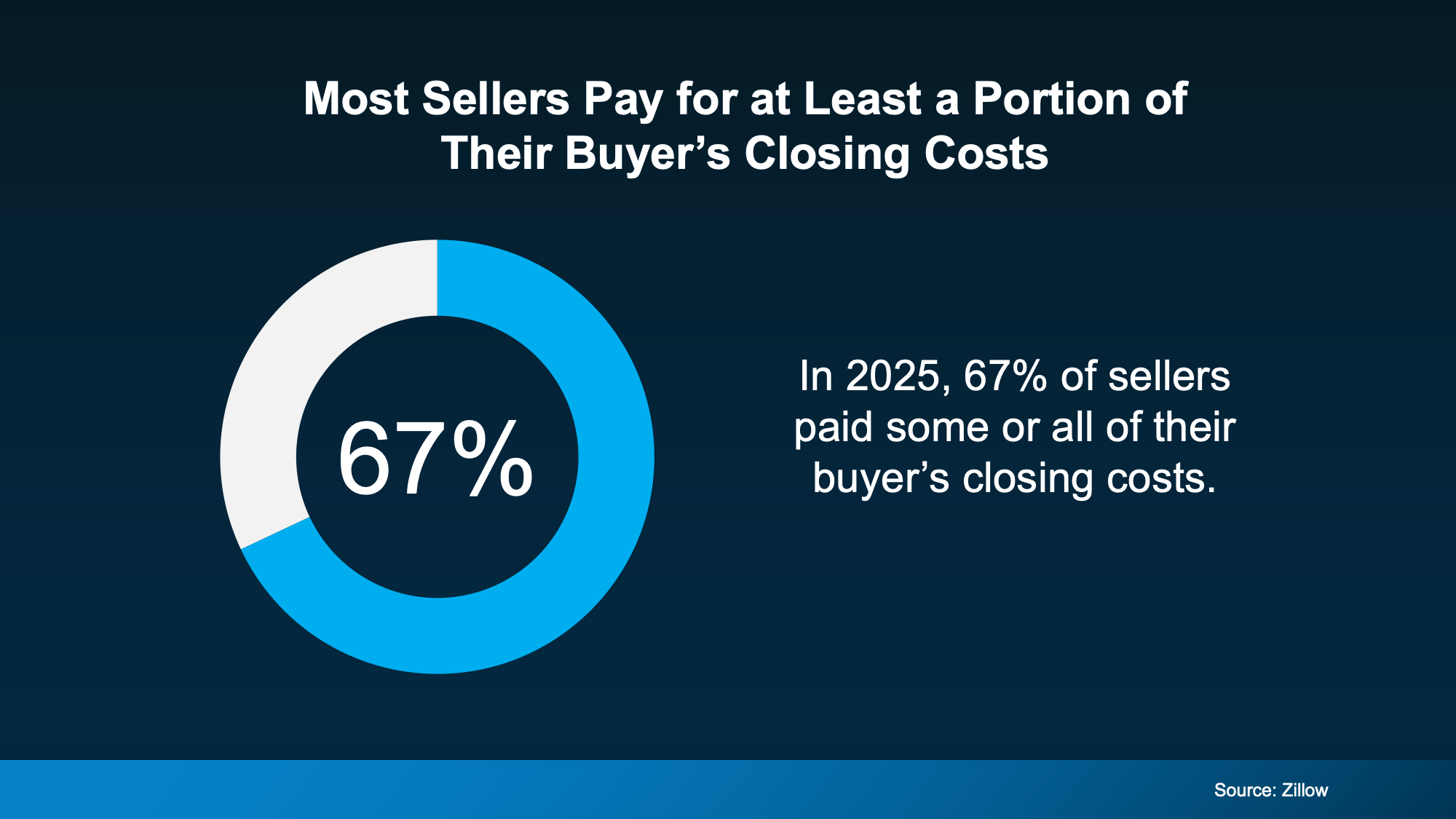
However, that does not mean every seller should automatically agree.
What We’re Seeing in Southeast Georgia
In communities like Hinesville, Ludowici, Richmond Hill, Midway, Pooler, and Savannah, every situation is different.
Military relocation activity connected to Fort Stewart and Hunter Army Airfield continues to create steady buyer demand throughout the year. At the same time, buyers generally have more choices than they did during the peak seller’s market.
As a result, some sellers are offering concessions to attract buyers or help keep a deal together, while others are still receiving strong offers without providing anything extra.
The right strategy depends on:
Your home’s price point.
Current competition in your neighborhood.
Days on market.
Property condition.
Local inventory levels.
Your timeline for moving.
When Paying Closing Costs Might Make Sense
You may want to consider helping with closing costs if:
There are several competing homes for sale nearby.
Your home has been on the market longer than expected.
You are receiving showings but not offers.
You need to sell quickly because of a relocation or life change.
Closing cost assistance helps secure a qualified buyer.
Sometimes a small concession can be the difference between starting over and getting to the closing table.
Other Options Besides Closing Cost Assistance
Flexibility does not always mean writing a check toward closing costs.
Other options may include:
A home warranty.
Repair credits.
Flexible closing dates.
Including appliances.
Providing furniture or other personal property.
Interest rate buydown assistance.
The best solution depends on what matters most to both parties.
Bottom Line
The most successful sellers today understand that every transaction is unique.
In Southeast Georgia, some homes still receive strong interest with minimal negotiation, while others benefit from strategic concessions that help attract buyers and keep deals moving forward.
Before deciding whether to offer closing cost assistance, it helps to understand what is happening in your specific neighborhood and price range.
A local real estate professional can help you evaluate your options and determine what strategy makes the most sense for your goals.