
Higher Mortgage Rates Could Affect Housing Supply. Here’s How.

If you have been watching the housing market and wondering whether more homes will become available, there is an interesting trend worth understanding.
Mortgage rates and housing inventory can sometimes move together. While higher rates are not necessarily good news for affordability, they can influence buyer demand, seller decisions, and the number of homes available for sale.
That may create more options for some buyers as we move through 2026.
Inventory Growth Has Slowed, But It Has Not Disappeared
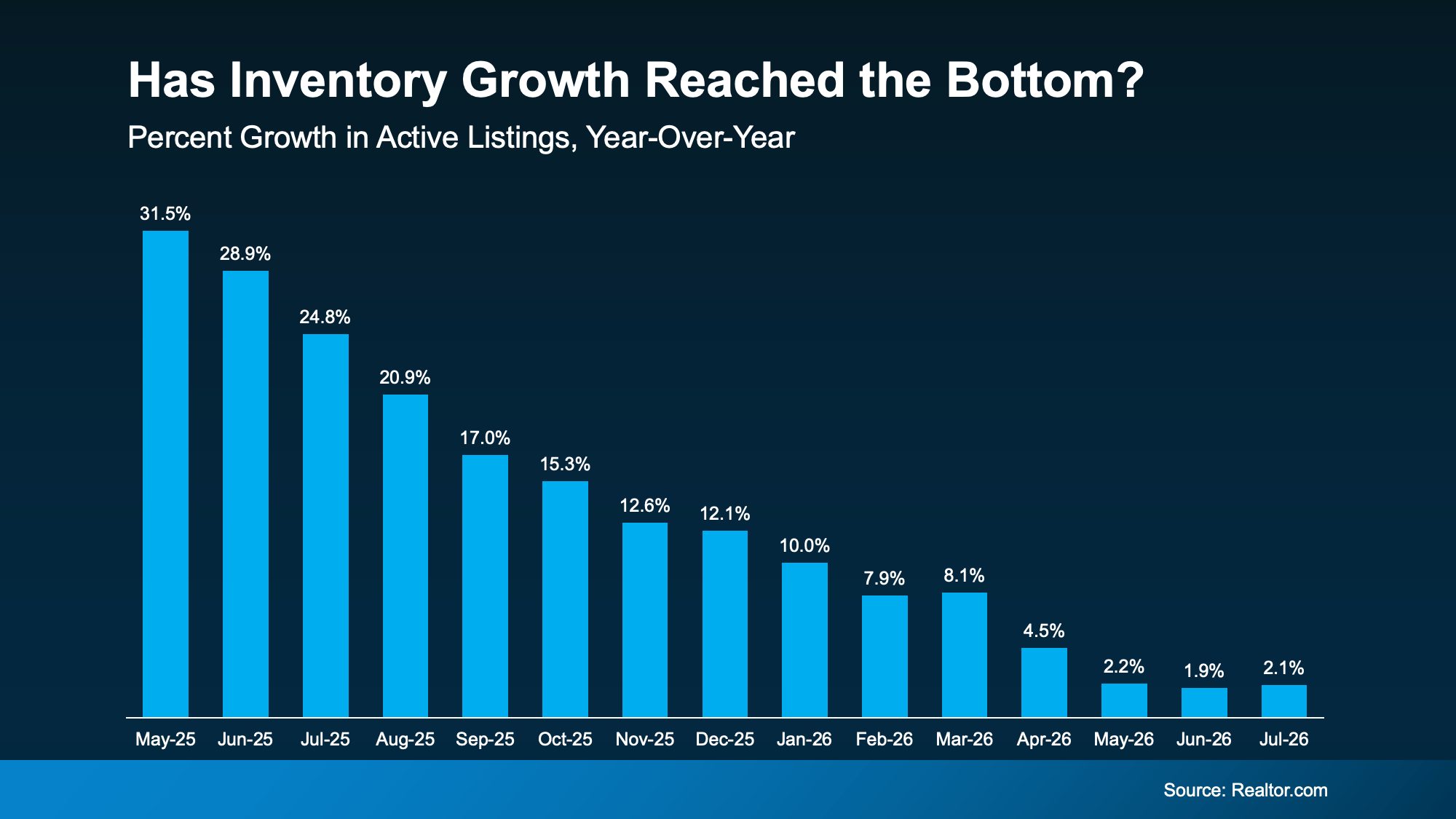
According to Realtor.com, active listings nationwide were up 2.1% year over year in July 2026.
That represents a significant slowdown compared with earlier periods of inventory growth. Even so, the number of homes for sale nationally has remained relatively stable in recent months.
For buyers, a steadier supply of homes can provide more opportunities to compare properties instead of feeling pressured by a rapidly changing market.
It is important to remember, however, that national inventory data does not describe every local market.
In fact, Realtor.com reported that active listings in the South were down slightly year over year in July. That is why local information is especially important when planning a move in Hinesville, Fort Stewart, Richmond Hill, Midway, Ludowici, Jesup, Savannah, or another Southeast Georgia community.
Buyers Have More Choices Than a Few Years Ago
The larger picture still matters.
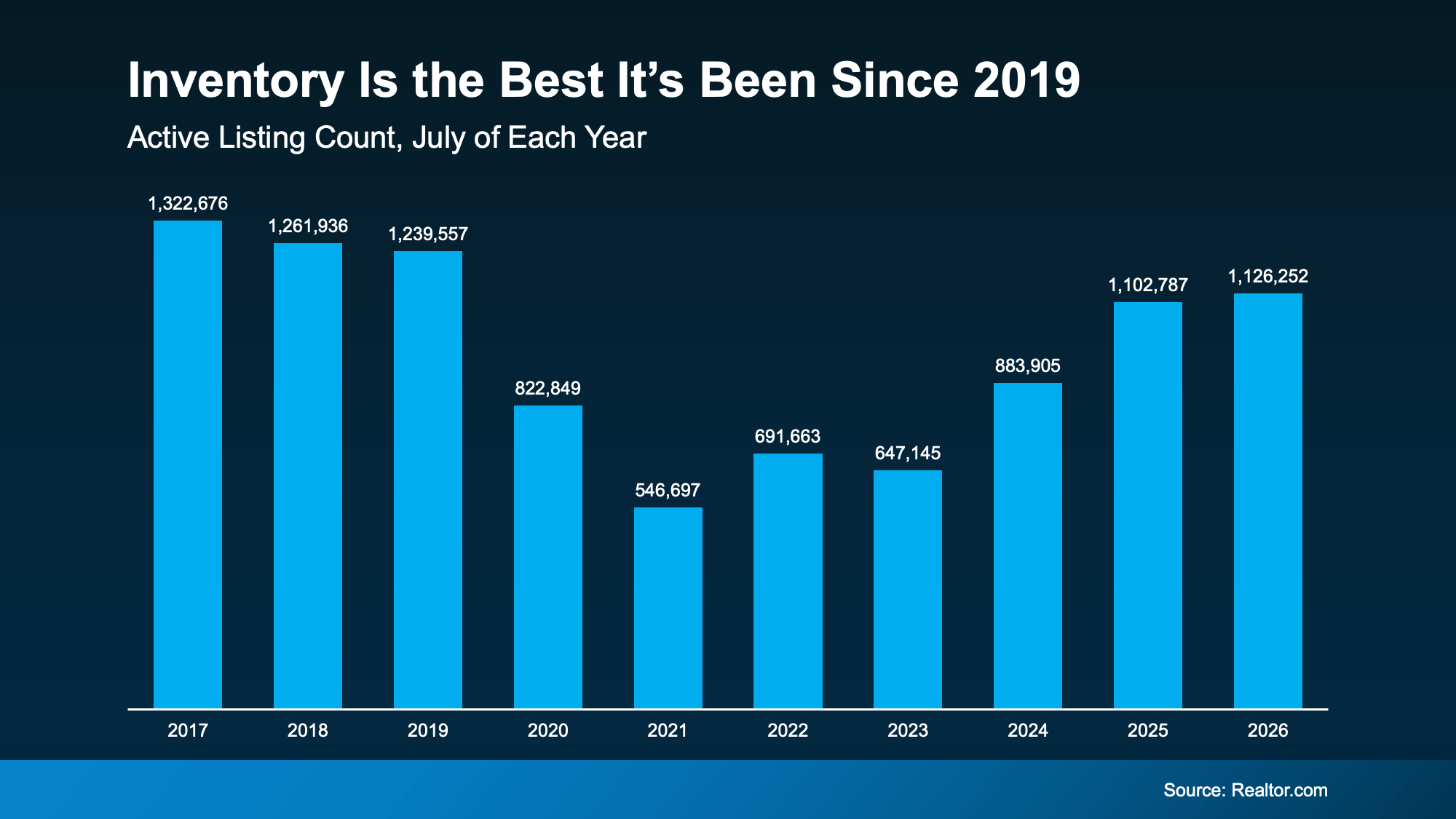
National inventory has increased substantially compared with the extremely limited supply available during 2021 and 2022. Realtor.com reported that July 2026 had more than 1.12 million active listings nationwide, the highest July inventory level since 2019.
The market has not fully returned to pre-pandemic inventory levels. Nationally, active inventory remained about 11.6% below the typical 2017 through 2019 level in July.
Still, more choices than recent years can create meaningful opportunities for buyers to compare price, condition, location, features, and monthly housing costs.
What Do Mortgage Rates Have To Do With It?
Mortgage rates influence more than just buyer affordability. They can also affect how homeowners evaluate the timing of a move.
Compass Chief Economist Mike Simonsen has noted that, historically, housing inventory has often increased when mortgage rates rise and declined when rates fall. One reason may be that lower rates can bring buyer demand back into the market more quickly than new supply becomes available.
That does not mean rates always determine inventory.
Homeowners make decisions for many reasons, including job changes, relocations, household needs, finances, property condition, and personal timing.
Still, mortgage rates can be one factor that influences the balance between supply and demand.
What This Means for Buyers in Hinesville and Southeast Georgia
National trends provide useful context, but real estate is local.
Inventory conditions in Hinesville may be different from those in Fort Stewart, Richmond Hill, Savannah, Pooler, Midway, Ludowici, or Jesup. Conditions can also vary by price range, property type, and neighborhood.
That is why it is important to look at local indicators such as:
Current active listings.
New listings entering the market.
Pending and closed sales.
Average and median sale prices.
Days on market.
Price reductions.
Available inventory by price range.
Recent comparable sales.
These numbers can provide a clearer picture of the options available in the specific market you are considering.
More inventory also does not mean every home will be easier to negotiate.
Some properties may receive significant interest shortly after being listed. Others may have been available longer and could offer more flexibility depending on the seller’s goals, price, condition, and competing listings.
The specific property and its current competition matter.
More Inventory Can Create More Flexibility
For buyers, one of the greatest benefits of additional inventory is having more choices.
More listings may create more opportunities to compare:
Price.
Location.
Size.
Condition.
Features.
Monthly housing costs.
Financing options.
Instead of feeling pressure to make a decision simply because there are few homes available, buyers may have more time to evaluate their choices carefully.
That does not mean waiting is always the best strategy. Mortgage rates, prices, available inventory, and your personal financial situation all matter.
What About Sellers?
Increasing inventory is something sellers should pay attention to as well.
When buyers have more properties to compare, pricing, presentation, and marketing become increasingly important.
A home does not necessarily need to have the lowest price to compete. However, it does need to be positioned appropriately based on recent comparable sales, current competing listings, property condition, and buyer demand.
Understanding the current inventory in your specific market can help you make a more informed decision about pricing and timing.
Bottom Line
Higher mortgage rates are not necessarily good news for buyers, but they can influence housing supply and demand in ways that may create more choices for some buyers.
National inventory has improved significantly from the extremely limited levels seen several years ago, even though the pace of inventory growth has slowed and conditions vary by region.
If you are considering buying or selling in Hinesville, Fort Stewart, or another Southeast Georgia community, The Shanken Team can help you review the local numbers and understand what inventory, pricing, and recent activity look like in the market you are considering.
The more you understand the local data, the more confidently you can make your next real estate decision.
The Shanken Team is committed to Equal Housing Opportunity and provides professional real estate services in accordance with federal, state, and local fair housing laws.
Sources
Realtor.com, July 2026 Monthly Housing Trends Report. National active listings: 1,126,252, up 2.1% year over year. South regional inventory: down 0.2% year over year. National inventory remained 11.6% below typical 2017 through 2019 levels.realtor
Realtor.com, July 2026 Economic and Housing Market Outlook. Active inventory held above 1.1 million homes, a level not sustained since November 2019.realtor
Real Estate News, reporting comments from Compass Chief Economist Mike Simonsen on the historical relationship between mortgage rates and inventory.realestatenews
National Fair Housing Alliance, Fair Housing Act advertising guidance. nationalfairhousing